Habitat Gardening

Biodiversity

This Time: Making sure you know germination requirements of any native plants you plan to buy; Avoiding the danger in bee houses.


There is nothing like the excitement of purchasing seeds of native plants that will bring more birds and butterflies to your space. It will be a more rewarding process if you take care to avoid potential problems.

At this point in the process, you have completed finding a source for the native plants on your “Hot List”, following steps in the previous post. You should be getting excited about the possibility of bringing more birds and pollinators to your garden.

Before you buy, though, consider making one final check.

It is wise to review your chosen plants' germination requirements before making your final purchase. Why? Especially if you're new to gardening or to growing from seed, you need to know if any of your chosen plants have requirements that you will not have the time or energy to follow. Not every seed can be simply dropped into a prepared flower bed.

To make things a little more clear, here are some examples of germination requirements.

Germination Requirement Examples

Easy: Prep Ground and Plant

Most seeds that you are used to (if you are a new gardener) require you to simply prepare the soil, sprinkle on the seeds, and cover. Many native plants have the same requirements.

Somewhat Complex: Minor Prep Prior to Planting Seed

Examples of this type are a one-time hot water treatment or “scarification” (scratching the seed coats with something like sandpaper). Some require you to plant the seeds in the fall, meaning you will have to wait before planting if you are buying seeds in the winter.

More Complicated: Significant Steps Needed Prior to Planting

Some native plant seeds take some commitment to get going. For example, they may require you to simulate a winter prior to planting. You put seeds in your refrigerator for months after wrapping them up in moist paper.

The most involved I've ever had to deal with is wrapping seeds in a wet paper towel and keeping them in a plastic ziplock bag in the fridge for 60 days. I used a calendar reminder to make sure I took out the seeds and planted them at the right time. Otherwise, they would have stayed under my pack of tortillas and been forgotten.

These steps were not too difficult for me to handle, just new to me. You have to make your own decision on what is too much for you.

No matter what the instructions are for preparing seeds prior to planting, your seed provider should give you all the details you need.

An example of instructions from Prairie Moon on germination types, including “cold stratification”, appears in the Resources section below.

If you are prepared for any germination requirement and are ready to purchase the seeds on your Hot List, then order or purchase during the winter or offseason. The earlier the better so that you can have seeds and seedlings ready for planting season!
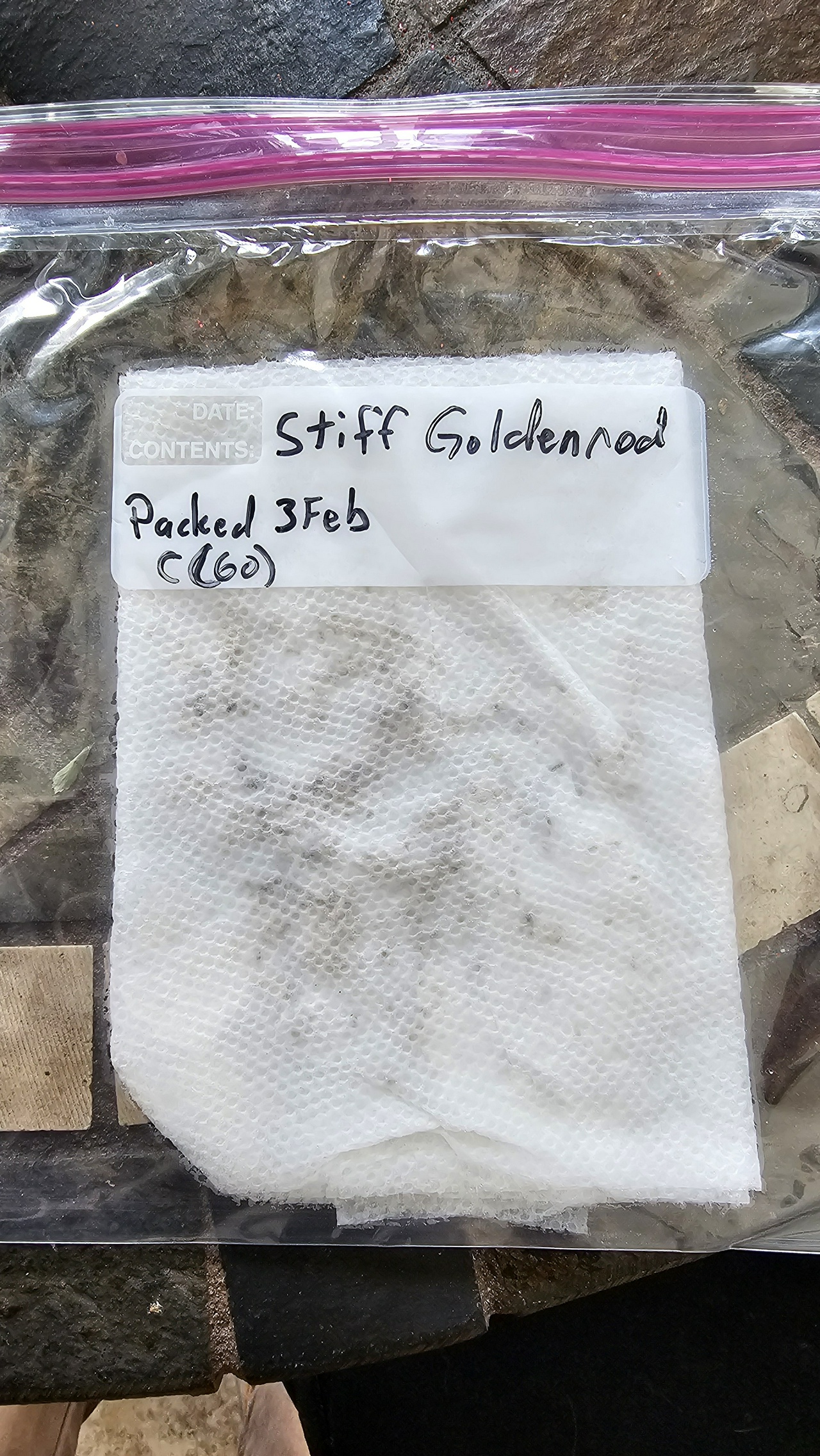
This is an example of my “cold stratification”. It shows a clear zip lock plastic bag with the handwritten label “Stiff Goldenrod, Packed 3 Feb C(60)”. Inside is a paper towel that is moist so that you can see dark spots underneath that are seeds.


Seasonal Continuous Improvement: Winter/Offseason

🐝The common assumption has been that, to support native bees that live above ground, all you have to do is buy one of those bee or bug houses with the bamboo tubes.

The problem with these houses, at least for bees, is that diseases and mite infestations can occur unless you regularly replace the tubes. I did not want to buy a new bee house every year, and that caused me to look for other options. I found that you can buy the tubes separately, and in quantity, for less than the price of a bee house. They come in many forms: bamboo, cardboard, reeds and more. This made it easier for me to change out used tubes inexpensively, just as insect scientists recommend.

Speaking of insect scientists, more information from the Xerces Society about creating and maintaining nests for native bees appears in the Resources section below.


Resources

🌺Prairie Moon Nursery: How to Germinate Native Seeds

  • This is an example of the different categories of seed preparation steps. There are a lot more than you would guess. Still, if you only purchase a few packs of seeds, there should not be anything more complicated than you can handle.
  • Check the guidance for those plants you potentially will purchase to see if you are comfortable with the germination steps.
  • This guide also lets you look up a list of native plants that require each germination requirement. This could be a useful reference if you need to look this type of list quickly.

🐝 Nests for Native Bees Fact Sheet (pdf)

  • Explains details you need to know to be successful at supporting cavity-nesting native bees which are about 30% of all native bees in North America.

🐝 Tunnel Nests for Native Bees (pdf)

  • Plenty of information on what kind of tubes to get and how to make sure they are clean for native bees.
  • Also includes how you can support native bees without buying any tubes.

🐝 5 Ways to Increase Nesting Habitat for Native Bees | Xerces Society

  • A variety of ways to help native bees in North America.

[28 Jan 2026]


#HabitatGardening #BiodiversityGardening #Gardening #NativePlants #Nature #Environment #Conservation #Biodiversity #Invertebrates #SolarPunk #SolarPunkSunday #Thrutopia

I’m Joe Wynne, a gardener since 1965 when I started as a helper for my grandmother. We maintained irises then and I still have those plants today. I’m a former Tennessee State Park Naturalist, who now focuses on making my garden a habitat for native plants and native bees, birds and butterflies. I share what I learn.

Follow me on Mastodon. See articles from others in my magazine on Flipboard: Habitat Gardening

© Joe Wynne 2025-2026
This time:  Where to purchase Native Plants; How to support ground-nesting native bees.


It is possible for you to create a habitat relatively quickly in your garden that supports dozens of beneficial insects and active birds. This habitat will surround you with varied colorful butterflies creating a calming space.

To get there, you use the short list of keystone native plants that you created here to use to purchase locally or order online. Let's refer to your short list of plants as your “Hot List”.

Sources of Native Plants

🏬 Convenient Retailer

Sometimes retailers like big box home stores (with gardening areas) and local nurseries have available native plants. In fact, this is becoming more common. Once you have your list [link], check live plants and seed areas in these stores to see if you get lucky. (By that I mean find the plants you are looking for.) I got lucky finding Coreopsis and Rudbeckia (Black-eyed Susans).

Caveat: These stores may sell you plants that were grown with pesticides that could kill or sicken the very creatures you want to support. Do some research, look for warning labels, and ask questions.

🌻Botanical Garden Sales

Botanical gardens, arboretum, or specialized nursery sales are also a source of natives, usually sold as live plants in pots. It is common that they have sales once or twice a year as fundraisers. Take advantage of these.

Near me, for example, are a university botanical garden which has two sales a year and a non-profit private garden that has a big sale once a year.

🌱 Standard Seed Catalogues

You should be familiar with the major players in the plant and seed catalogue services. They specialize in popular garden plants and new varieties that will “wow” gardeners and tempt them to buy. They increasingly have native plants available and mark them because of their growing popularity. Sometimes, they even have “mixes” of seeds for use in larger areas.

Caveat: Mixes of seeds are compelling but may not contain your Hot List plants. In addition, they may have non-native plants which in general could go against your plan to build a viable habitat with the best plants. There is an online location for better seed mixes in the Resources section below.

🌟 Specialized Seed and Plant Catalogues

There are seed companies that specialize in native plants! And many send these to you with detailed information on how to succeed in growing them. You may not have ever heard of these organizations, but if you are building a garden habitat, you definitely need to know them.

They are my main source of seeds for the critical Keystone Plants. Search for those online serving your area. It is also good to check in with people locally in garden clubs, master gardeners and others with experience using the services.

🏡 Local Garden Societies

Some areas have a gardening group that has flower sales, sometimes they have native plants.

Knowing all the above now, you can find the best source for the live plants and seeds from your Hot List. To make things easier, there is a link below (in the Resources) section to a database of native plant, seeds and services.

Can't find a source for your desired plant? If you cannot find a source for one of the plants on your Hot List after checking everywhere you know, don’t panic. Go back to the general list of Keystone Plants you used before and choose the next one down on the list. Then see if you can find that one to purchase.


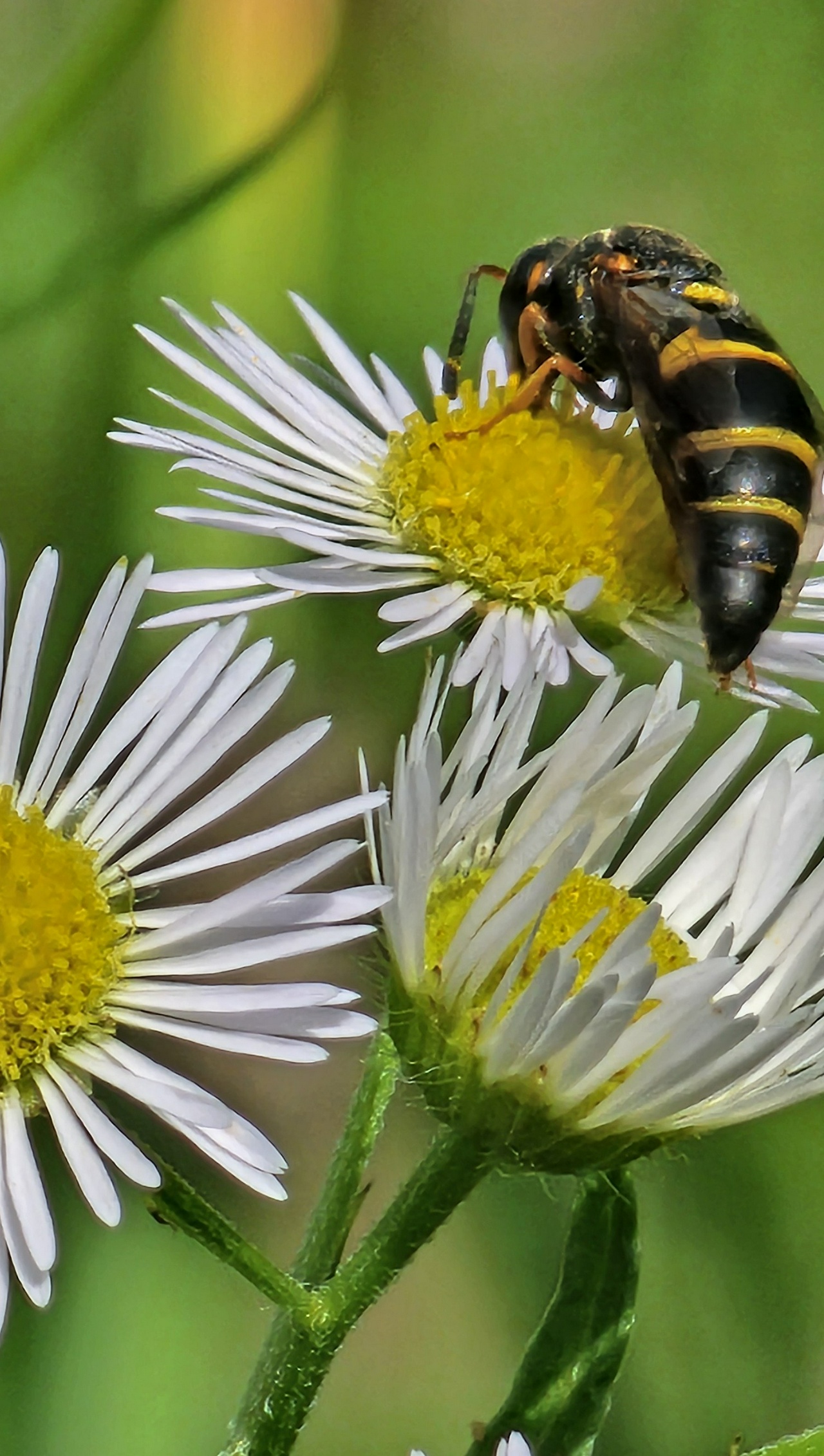
A scene from my habitat garden: A native bee with a few thin yellow horizontal stripes and other yellow markings on a long black body (which is not fuzzy) looks for pollen on a flower with a yellow center mound surrounded by dozens of slender white petals. The flowers are Daisy Fleabane, a native in the U.S. typically treated as a weed by lawn lords. The bee may be a Yellow-faced Bee.

Seasonal Continuous Improvement: Winter/Offseason

One of the two main categories of native bees live in places that are very rare in the urban or suburban environment. These are called “ground-nesting bees”. These bees are solitary and do not bother people – and you can help build their populations.

See if you have space to support ground-dwelling native bees. First, you need some ground! If you have that, you can move to the next step, making sure it's available to bees with the few resources they'll need.

Here are some preferences for bees to move in:

  • Your ground should be free of debris that will prevent bees from accessing the soil. Barriers to soil entry are wood mulch, thick layer of rocks/stones, dense vegetation mat and so on. Bare ground, clumping plants, and leaf mulch are better.
  • The ground should not be disturbed by digging, walking, hoeing, tilling, or cultivating. It should be well-drained. This is the easiest maintenance you will ever have in your habitat!
  • You will need to add sand and pebbles if they are not already available in that area.

Resources

🌺Native Plant, Seed and Services Directory

If you choose to search for native perennial seeds online and don't know where to start, access this database and filter to find a provider that has natives for your eco zone.

🌱Prairie Moon Nursery

This is an example of a plant and seed catalogue that specializes in native plants. They have mixes that have been developed in collaboration with the Xerces Society for Invertebrate Conservation.

🦋Pollinator Conservation Seed Mixes

If you have a large space, try a pre-mixed pack of various natives designed for your ecozone. Not all areas are represented but you might find a quick solution to your needs.

🐝Clear Space for Bees: Why Pollinators in Your Yard Need Access to Bare Ground

Building ground-dwelling bee habitat is new for most of us, but it is not hard once you understand the important basics. This guide from the Xerces Society will explain what you need to know.

[12 Jan 2026]


#HabitatGardening #BiodiversityGardening #Gardening #NativePlants #Nature #Environment #Conservation #Biodiversity #Invertebrates #SolarPunk #SolarPunkSunday #Thrutopia

I’m Joe Wynne, a gardener since 1965 when I started as a helper for my grandmother. We maintained irises then and I still have those plants today. I’m a former Tennessee State Park Naturalist, who now focuses on making my garden a habitat for native plants and native bees, birds and butterflies. I share what I learn.

Follow me on Mastodon: https://mindly.social/deck/@JoeWynne

Enjoy my magazine on Flipboard: Habitat Gardening

This time: Select your native plants ahead of the next planting season; Importance of rock walls [Dec 31, 2025]


Imagine how it will feel being surrounded by a variety of birds calling in the spring and butterflies fluttering around all summer. All you have to do is plant the right natives in enough numbers to support those populations.

After reading the last post, you know how to use the native plant list reference (below) to find potential plants that will work in your garden or yard. Your next step is to come up with a short list of plants that you will order over the winter so that you will have them ready in the spring. We'll focus on native perennials for now. This step for perennials takes some planning, especially if you are new to gardening and growing plants from seeds.

The planning builds excitement, though. Based on my experience, these steps will reduce disappointment.

🌱 Determine how many types of plants you will plant in significant numbers.

Remember, the native perennials you will plant will support dozens of species. Beneficial insects can't all feed on one plant. They need a group, a “mass planting.” Consider planting at least four or five, but hopefully many more plants.

I say this from experience. I have over-purchased and then not been able to have everything ready for spring planting leaving me with unopened packages of seeds that I'm not sure are going to be viable when I get to them. If you are new to this, and not sure about your time commitment, start slowly. Limit selections to two or three native perennials appropriate for your area and use those for the next steps. You will plant a bunch of whatever you choose, remember.

🌞 Characterize the area(s) where you will plant.

Use three criteria:

  • Amount of sun
  • Amount of rain/soil moisture
  • Soil type

Make a note of the characteristics of each separate area where you will plant. For example, you might have one spot that is sunny (gets at least 8 hours of sun) and dry with average soil. Another spot may be in the shade mostly and be a low, wet area with clay soil.

🌺 Select plants from your ecoregion list.

Go back to your ecoregion list of native perennials and use your characteristics to select plants you will attempt to purchase to plant in the next planting season.

  • You will generally want to select plants starting at the top of the perennials list. Start at the first one. Copy its Genus name (second column) or specific example (third column) from the page.
  • Paste the name in your browser and search for its preferred characteristics. Does it match one of your target planting spots? Great! You have a winner! Does it prefer an amount of sun and a type of soil that you cannot provide? OK, then, pass it by and go to the next perennial in the list.

Ask the same questions about habitat characteristics for the next one and keep going until you have a candidate for each area where you will plant. Choose more if you have more capacity to plant and maintain during the growing season.

I had sunflowers that needed sun and also asters that I wanted for the Fall, but asters needed some shade. Knowing this helped me choose a couple of plants for sun and a couple options for shade which I did have under some trees in a section of my yard.

This section from the ecoregion list I used shows four groups of plants, names of examples, and the number of native butterflies and pollen specialist bees that they support. The top two support at least 100 butterflies and 33 or more bees. Now you can see that you need more than a couple of plants if you have room for them. I chose a short list of plants that I took to see if I could obtain them.  The black-eyed susans were no problem because they are easily available in retailers near me. The others…well, that's a story for the next post.

Once you complete this selection process, congratulate yourself! You have a short list of the best native perennials to boost your garden habitat, an important step. Now you are ready to find outlets to purchase those seeds or plants. I'll cover that in the next post.


Seasonal Continuous Improvement: Winter/Offseason

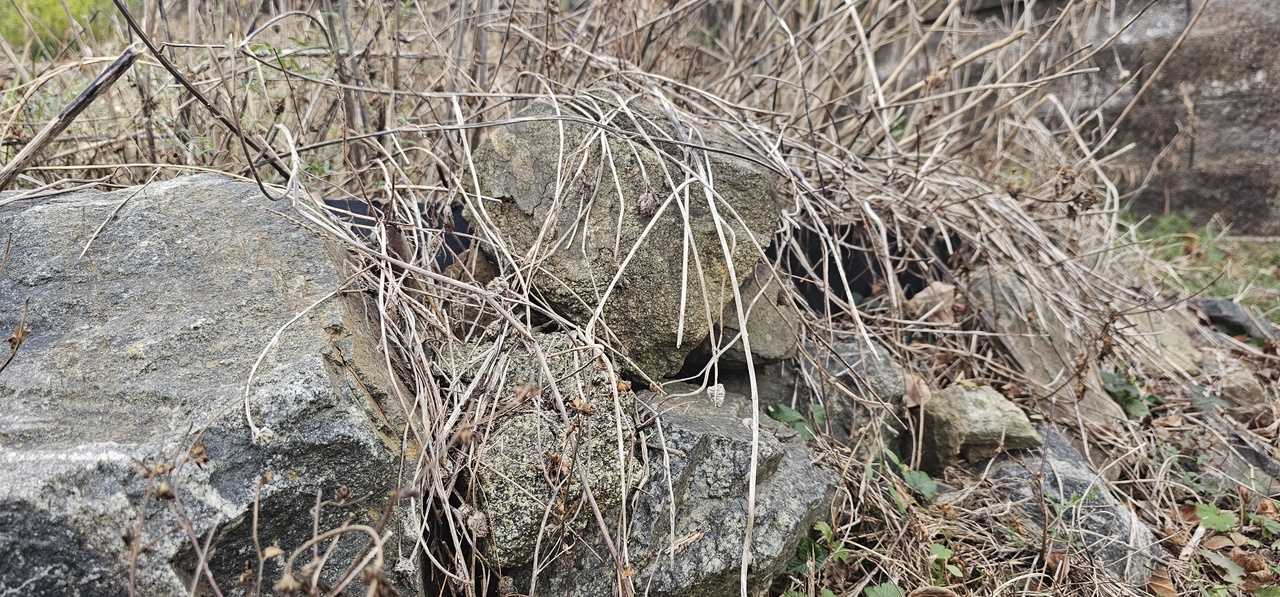
Consider building a rock wall or feature in your garden to improve the habitat. Rock walls are foundational to the habitat that you are building in your garden. Rock walls provide vertical structures that birds, beneficial insects and small animals can use for shelter and nesting. In particular, they provide overwintering sites, known to be critical to building populations of beneficial insects.

One of the rock walls in my garden taken December 31. It is made up of found rocks stacked vertically against a black barrier, visible in a couple of spots because rocks fell from the wall earlier during the active growing season. It defines a terrace on a sloped area of ground. Dead strands of annual vines can be seen over the rocks, after providing shade during the hot summer. Dead stems of native plants can be seen on the “high” side of the terrace.

This part of garden design can get your creative juices flowing! You can make a terrace, surround a pond, or just stack rocks to enhance an uninteresting area. The guide below, “Wildlife on the Rocks,” will help you with a habitat-centric design.


References

Keystone Plants by Ecoregion (National Wildlife Federation)

  • Lists of “critical plant genera and example species that host significant numbers of butterflies, moths, and pollen specialist bees.”
  • You simply select your U.S. and Canada ecoregion to display a list of the best trees, shrubs, and flowering perennials to use in your habitat garden. Easy!
  • Covers North America only.

Wildlife on the Rocks: Providing the Rocky Habitats Bugs Need for Shelter | Xerces Society

  • This guide has plenty of options and tips for adding or enhancing rock features in your garden to add additional critical support for populations of insects.

#HabitatGardening #BiodiversityGardening #Gardening #NativePlants #Nature #Environment #Conservation #Biodiversity


I’m Joe Wynne, a gardener since 1965 when I started as a helper for my grandmother. We maintained irises then and I still have those plants today. I’m a former Tennessee State Park Naturalist, who now focuses on making my garden a habitat for native plants and native bees, birds and butterflies. It's not always easy, but it's always fun. I share what I learn.

For more, follow me on Mastodon and check out my Flipboard magazine Habitat Gardening.

Copyright © 2025 Joe Wynne